
Indian equity benchmark indices extended losses for a second consecutive session, with the Sensex dropping 143 points, driven by a sell-off in power, banking, and financial stocks, coupled with elevated crude oil prices and persistent FII selling.
Indian benchmark indices Sensex and Nifty experienced declines in early trade, influenced by the Reserve Bank of India's (RBI) recent repo rate hike and its signal for continued monetary tightening, coupled with rising crude oil prices and foreign fund outflows. Track Sensex, Nifty on October 8.

China sailed through the crisis in the Strait of Hormuz relatively unscathed even as the impact of its steps shielded other consuming nations from having to pay high crude oil prices.

Indian benchmark indices, Sensex and Nifty, experienced declines in early trade due to a significant surge in crude oil prices, exacerbated by escalating tensions in the West Asia. Track how Sensex, Nifty fared on July 23.

Indian benchmark indices Sensex and Nifty closed lower, with the Sensex dropping 388 points and Nifty declining 112 points, as a sharp rally in crude oil prices, driven by geopolitical uncertainties and concerns over the Strait of Hormuz, dampened investor sentiment and reignited inflation fears.

India's exports saw a significant 23 per cent increase, reaching USD 44.4 billion in September, while the trade deficit narrowed to USD 30.21 billion, according to recent government data.

Indian equity benchmarks Sensex and Nifty rallied up to 1 per cent in early trade, driven by strong performance in IT stocks, Reliance Industries, and favourable global market sentiment, rebounding from previous losses.
Indian benchmark indices Sensex and Nifty saw a significant rebound in early trade, with the Sensex surging over 700 points, driven by a decline in crude oil prices, easing concerns over Federal Reserve tightening, and the appointment of Anup Bagchi as the new MD and CEO of HDFC Bank.
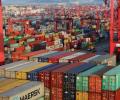
India's trade deficit reached a six-month high of $31.98 billion in July, driven by a sharp increase in imports, particularly crude oil, electronic goods, coal, and fertilisers. Both merchandise exports and imports recorded their second-highest levels during the same period.

Indian benchmark indices Sensex and Nifty saw a rebound in early trade, primarily driven by a more than 4 per cent surge in Tata Consultancy Services (TCS) shares following its robust Q2 net profit announcement. Track Sensex, nifty on October 9.
Indian benchmark indices, Sensex and Nifty, saw declines in early trade, influenced by rising crude oil prices and ongoing geopolitical tensions in West Asia. Experts suggest that crude oil remains a primary concern, with Brent holding near USD 88 a barrel due to renewed US warnings against Iran, embedding a geopolitical risk premium in energy markets. Track Sensex, Nifty

Indian benchmark indices, Sensex and Nifty, experienced a significant drop in early trade, with the Sensex falling over 600 points, primarily due to crude oil prices surging past the USD 100 per barrel mark and weak global market trends. Track Sensex, Nifty on September 24.

India's wholesale price-based inflation surged to 11.39 per cent in September, up from 9.92 per cent in August, primarily driven by increasing prices of food, manufactured items, and fuel and power.

Indian benchmark indices Sensex and Nifty recorded their third consecutive day of gains, primarily driven by an over 8 per cent surge in Bajaj Finance following strong Q1 FY27 results, coupled with significant foreign fund inflows and a dip in crude oil prices.

Indian benchmark indices Sensex and Nifty recorded sharp gains, rising over 1 per cent, driven by strong performances in IT stocks, HDFC Bank, and renewed foreign fund inflows, despite mixed global cues and elevated crude oil prices.

Indian stock markets witnessed a significant rebound, with the Sensex rallying 1,109 points and the Nifty closing above 22,720, driven by strong performances in IT and financial sectors, a recovering rupee, and Finance Minister Nirmala Sitharaman's comments on long-term capital gains (LTCG) tax.
Indian benchmark indices closed marginally higher, with the Sensex gaining over 43 points and the Nifty remaining flat, as a spike in crude oil prices due to geopolitical uncertainties tempered risk appetite.

Indian benchmark indices, Sensex and Nifty, experienced declines in early trade due to a significant spike in crude oil prices, driven by escalating geopolitical uncertainties, despite positive cues from Asian and US markets.
Indian benchmark indices, Sensex and Nifty, extended their rally in early trade, driven by strong buying in bank stocks, Reliance Industries, and positive global cues, despite foreign institutional investors offloading equities.
Indian benchmark equity indices, Sensex and Nifty, surged over 1 per cent, driven by a significant correction in crude oil prices and a global market rally, fueled by improving sentiment surrounding potential US-Iran negotiations.

Foreign Portfolio Investors (FPIs) became net sellers in September, withdrawing Rs 35,860 crore from Indian equities due to global uncertainties, high US interest rates, and elevated crude oil prices, with outflows continuing into October.
Indian benchmark equity indices, Sensex and Nifty, closed higher on Monday, driven by softer-than-expected US jobs data which reduced expectations of aggressive monetary tightening by the US Federal Reserve, boosting risk appetite across emerging markets.

Indian benchmark equity indices, Sensex and Nifty, saw early gains driven by strong buying in blue-chip bank stocks, fresh foreign fund inflows, and a decline in global crude oil prices, boosting investor confidence.
Indian benchmark indices, Sensex and Nifty, experienced significant declines, with the Sensex falling 493 points and the Nifty dropping for the sixth consecutive day, primarily due to elevated crude oil prices reaching USD 91 per barrel and diminishing hopes for a diplomatic resolution in West Asia.

Indian benchmark equity indices, Sensex and Nifty, opened higher, tracking positive global trends and easing crude oil prices, fueled by hopes of a swift resolution to the West Asia conflict. Track Nifty 50 and BSE Sensex performance and key global triggers.
Indian benchmark indices, Sensex and Nifty, experienced a significant downturn as escalating tensions in West Asia led to a sharp surge in crude oil prices, coupled with fresh foreign fund outflows and a weakening rupee.
Indian benchmark indices, Sensex and Nifty, experienced a sharp decline, with the Sensex tumbling 1,247.71 points and the Nifty settling below 23,100, primarily driven by a significant spike in crude oil prices and weak global market trends.
Indian benchmark indices Sensex and Nifty saw a significant rebound in early trade, driven by a sharp decline in crude oil prices and easing geopolitical tensions in the West Asia, which improved market sentiment and reduced inflation fears. Track Sensex, Nifty on July 27.

'If the temperature remains very high, which is likely to be the case because of El Nino, it may lead to a shortfall in wheat production.' 'If that happens, we will be in a very, very difficult situation as far as food security is concerned.'
Indian benchmark indices, Sensex and Nifty, saw a significant rebound in early trade, with the Sensex jumping 726 points and the Nifty climbing over 200 points, primarily driven by strong performances in IT stocks, HDFC Bank, and renewed foreign fund inflows. Track Sensex, Nifty on July 29.

Indian benchmark indices Sensex and Nifty experienced a significant slump in early trade, mirroring a bearish trend in global equities, as escalating conflict in West Asia drove up crude oil prices and intensified investor concerns.

Indian equities, particularly the Nifty 50, have significantly underperformed their Asian and global counterparts over the past year, with the index down 10.6 per cent. This lag is attributed to factors like rising global oil prices, rupee depreciation, and a lack of participation in the global chipmaker rally that boosted markets like South Korea and Taiwan.

FPIs have already withdrawn Rs 2.6 trillion from Indian equities in 2026, exceeding the outflows recorded in any previous full calendar year.
Indian equity benchmark indices Sensex and Nifty plummeted over 2 per cent following US President Donald Trump's declaration that the interim agreement with Iran is 'over', which led to a sharp rally in crude oil prices and heightened geopolitical tensions.
Indian benchmark indices Sensex and Nifty experienced declines due to a sharp rally in crude oil prices, continuous foreign fund outflows, and geopolitical uncertainties. Regulatory developments in the banking sector, particularly the implementation of the Expected Credit Loss (ECL) framework, also contributed to the selling pressure.

Indian benchmark indices Sensex and Nifty experienced a significant tumble in early trade, driven by surging global oil prices, continuous outflows by Foreign Institutional Investors (FIIs), and persistent geopolitical uncertainties, particularly in West Asia.

'Elevated crude prices and unchanged domestic fuel prices would put pressure on the profitability and cash flows of OMCs.'

India's wholesale price-based inflation (WPI) increased to 9.92 per cent in August, up from 9.78 per cent in July, primarily due to rising prices across food, manufactured items, and fuel and power sectors.
Indian benchmark indices Sensex and Nifty extended their losses for the fourth consecutive session, with the Sensex declining 363.66 points and the Nifty dipping 126.65 points, primarily due to a sharp jump in Brent crude oil prices to USD 98.32 per barrel amid escalating tensions in West Asia.
Indian stock markets extended their gains for a third consecutive day, with the Sensex climbing 753 points and the Nifty closing above 24,550, driven by a drop in crude oil prices and optimism surrounding potential peace talks between Iran and the US.
